
 info@qjmed.com



What Happens If Surgical Staples Are Left in Too Long?

Surgical staples, a widely used tool in modern surgery for wound closure, are valued for their speed and efficiency in securing skin and tissue. However, leaving staples in place beyond the recommended timeframe can lead to complications. This article explores the risks of prolonged staple retention, identification methods, solutions, and the importance of professional removal tools, providing actionable insights for patients and healthcare providers.
1. Role of Surgical Staples and Recommended Removal Timeline
Surgical staples mechanically hold wound edges together to promote healing. Compared to traditional sutures, they offer faster application, reduced tissue trauma, and lower infection risks. Removal timing varies based on surgical site and patient recovery:
Superficial skin closure: 7–14 days post-surgery.
Deep tissue or joint areas: May require 2–3 weeks.
If left in beyond the recommended timeframe, the metal material may cause complications due to tissue reactions or friction from movement.
2. Risks of Prolonged Staple Retention
Local Infection and Inflammation
Retained staples can become breeding grounds for bacteria. Studies show a 30% increased infection risk when staples remain beyond guidelines. Symptoms like redness, pus, or fever require immediate attention to prevent sepsis.Tissue Embedding and Scarring
Healing tissue may grow around staples, embedding them deeper. This complicates removal and triggers excessive scarring, affecting aesthetics and mobility.Foreign Body Reaction and Chronic Pain
Metal sensitivity in some patients can cause chronic inflammation or pain. Staples near joints may also cause persistent discomfort during movement.Mechanical Injury Risks
Protruding staples can snag clothing or irritate surrounding skin, posing risks for children or mobility-impaired patients.

3. How to Determine If Staples Need Immediate Removal
Assess Wound Healing
Safe removal is possible when edges are fully closed, with no discharge or tenderness. Delayed healing or redness warrants medical evaluation.Monitor Warning Signs
Seek help if:
Skin around staples turns purple or hardens.
Staples shift or cause sharp pain during activity.
Unexplained fever develops.
4. Importance of Professional Removal Tools
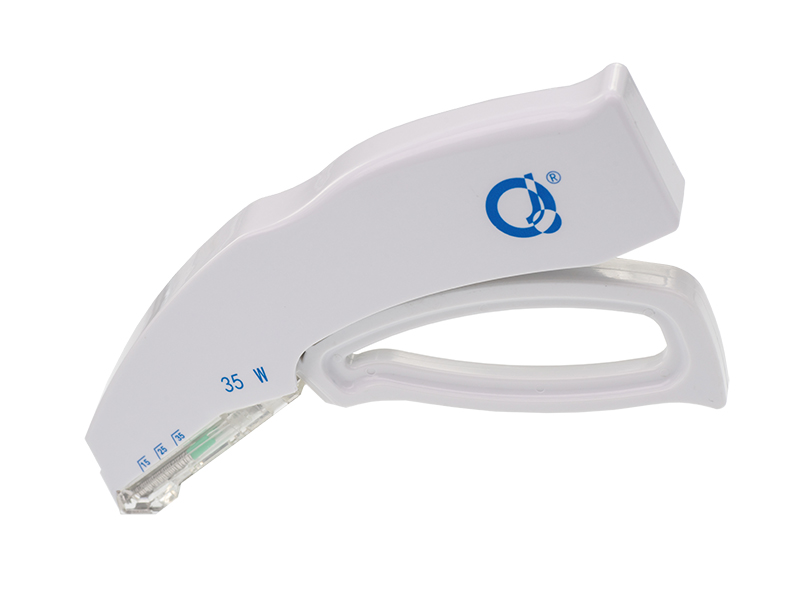
Improper removal (e.g., using tweezers or scissors) risks staple breakage, tissue damage, or infection spread. Qianjing Disposable Surgical Skin Stapler Remover ensures safe extraction with:
Precision jaw design: Securely grips staples, preventing slippage or residue.
Sterile single-use packaging: Reduces cross-contamination risks.
Ergonomic handles: Minimizes operator fatigue and improves efficiency.
5. Postoperative Care and Infection Prevention
Keep the Wound Clean and Dry
Clean daily with saline solution, avoiding alcohol near staples.Schedule Follow-Up Assessments
Healthcare providers should evaluate healing visually or via imaging for deeper tissue concerns.Antibiotic Use When Needed
Early infection signs may require antibiotics like amoxicillin under medical guidance.

6. When to Seek Emergency Care
Immediate medical attention is needed if:
Staples loosen, break, or fall out prematurely.
The wound reopens or bleeds excessively.
High fever or chills occur.
7. Advantages of Qianjing Staple Removal Tools
As an industry leader, Qianjing prioritizes safety and innovation:
Medical-grade materials: Stainless steel with high biocompatibility and corrosion resistance.
Training support: Includes instructional videos and clinician training programs.
Global certifications: Complies with FDA, CE, and other international standards.
Conclusion
Timely removal of surgical staples is critical for recovery. Using professional tools like Qianjing Disposable Surgical Skin Stapler Remover minimizes complications and enhances patient safety. Always consult a surgeon for concerns about staple retention—never attempt self-removal.
FAQ
Patented Safety Design: Precision jaws prevent slippage, minimizing the risk of tissue damage or staple breakage, which reduces potential liability.
Operational Efficiency: Ergonomic design reduces clinician fatigue, allowing for faster procedure times in busy clinics and hospitals.
Guaranteed Sterility: Each unit is individually packaged and sterilized, ensuring compliance with strict hospital infection control protocols and simplifying inventory management.
Exceptional Value: We offer significant bulk-order discounts without compromising on medical-grade quality, providing a lower total cost of ownership.
Marketing Collateral: Access to high-quality product images, brochures, and the educational article you are reading now.
Clinical Training Materials: We provide instructional videos and demonstration guides for training clinical staff.
After-Sales Support: Dedicated technical and customer service to address any inquiries promptly.