


 info@qjmed.com


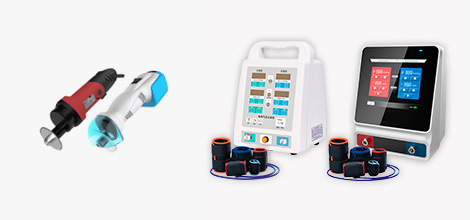

Disposable Circumcision Stapler vs Traditional Circumcision: Which Is Better in 2026?

For most routine cases in 2026, the disposable circumcision stapler means faster surgery and healing that is easier to predict. Traditional circumcision is still the more flexible option and is easier to find. The better choice depends on the patient, not on one winner for everyone.
Three things deserve careful thought. Clinical fit asks whether the patient's body and age suit the chosen method. Recovery time and comfort cover pain, healing, and getting back to normal activity. Total cost includes the device, the procedure, and follow-up visits.
This comparison looks at both approaches point by point. It ends with clear guidance on which patients should choose which method.
Key Takeaways
The stapler method means quicker surgery and easier healing for normal cases.
Old-style surgery gives doctors more choices for hard cases. It is also easier to find.
The best choice depends on the patient's body, age, and where the procedure is done.
Patients should talk to a trained doctor to find the method that fits their needs.
Both ways are safe when a skilled surgeon does the procedure.
What Is a Disposable Circumcision Stapler?
A disposable circumcision stapler is a surgical tool that is used only once. It cuts the foreskin and places titanium staples in a single step. The device finishes the procedure in about 3 to 5 minutes. Clinics and hospitals use it instead of manual suturing.
How the Stapler Device Works
The surgeon puts the device over the glans and places the foreskin inside the instrument. A quick-threaded mechanism shortens the setup time. The clear design lets the surgeon see what is happening during the procedure. This clear view helps the surgeon make sure the device is in the right spot before firing.
When the surgeon fires the device, a circular blade cuts the foreskin. At the same time, medical-grade titanium staples close the cut. More staples help support a surgery without bleeding. The staples make a neat, even cut and reduce swelling. The staples fall off on their own within 7 to 14 days, so patients do not need stitches removed. This is how does stapler circumcision work in practice.
Qianjing Medical's Disposable Circumcision Staplers come in many sizes, from pediatric to adult. The range of sizes fits different body needs. Adult circumcision and pediatric cases can each use a model that fits.
How Traditional Circumcision Works
Traditional circumcision uses a scalpel or scissors to cut away the foreskin. The surgeon then closes the cut with manual sutures. This method usually takes 30 to 40 minutes. The extra time comes from the careful stitching needed for a clean closure.
Traditional methods of circumcision are still common in many places. Surgeons can adjust the cut to complex anatomy during the procedure. Conventional circumcision also works well where stapler circumcision technology is not available. Suture care and follow-up visits are part of the recovery path.
Both methods aim for the same result: a clean cut and good healing. The difference is in the tools and the time each method takes. Stapler circumcision devices offer speed and consistency. Traditional surgery offers hands-on flexibility.
Stapler Circumcision vs Traditional: Performance
Operating Time, Bleeding, and Pain
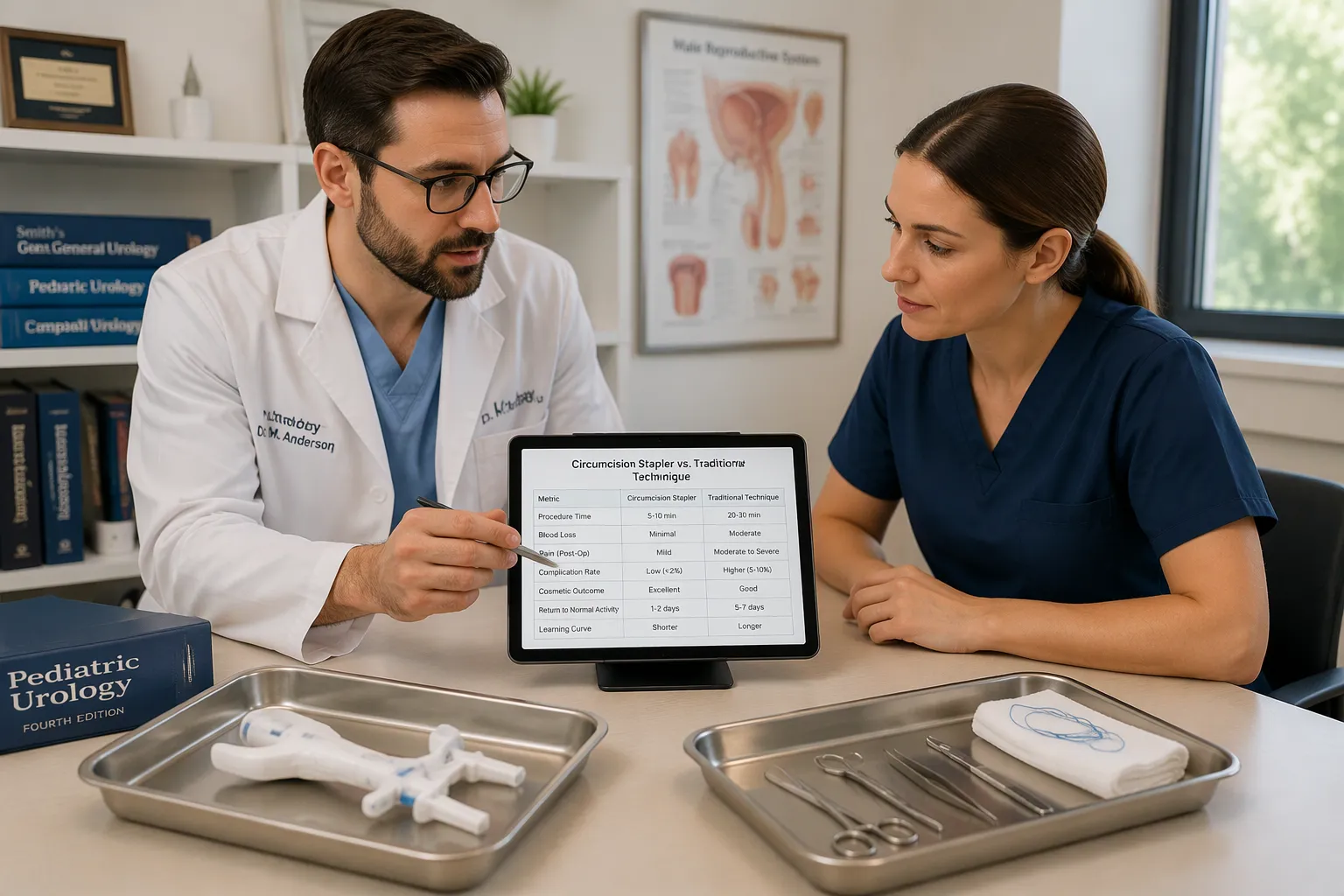
The table below puts the two approaches side by side on the measures that matter most to patients and clinicians.
Measure | Stapler method | Traditional surgery |
|---|---|---|
Operating time | About 3–5 minutes | Typically 30–40 minutes |
Blood loss | Minimal; higher staple density supports a bleeding-free field | Higher; depends on manual hemostasis |
Pain | Generally mild after the procedure | Variable; suture-related discomfort is common |
Healing time | Staples shed in 7–14 days; some cases heal more slowly | Suture removal and follow-up required |
Complications | Device-specific profile; less severe edema reported | Bleeding, infection, irregular scarring |
Cost | Higher upfront device cost | Lower device cost; more procedure time |
Published comparisons back up the stapler's speed advantage. A prospective randomised clinical trial and related reviews report that stapler circumcision cuts operative time by roughly 70 percent compared with suturing. The same sources describe less intraoperative bleeding, fewer cases of severe edema, and patient satisfaction above 95 percent. One review of the safety of two disposable circumcision suture devices reached similar conclusions on early outcomes.
Pain follows the same pattern. The stapler method avoids needles passing through the skin edge, so many patients report milder discomfort in the first days. The trade-off deserves honesty. Stapler circumcision may take longer to heal in some cases, and it carries its own complication profile. Clinicians should weigh comfort, aesthetics, and recovery time against the possibility of a slower final closure in a minority of patients.
Healing Time and Complications
Healing time comparison favors the stapler on convenience, not always on speed. Titanium staples fall away on their own within 7 to 14 days, so no stitch removal visit is needed. Patients can often shower after about one week and return to normal activity quickly. Traditional surgery relies on sutures that a clinician removes later, which adds at least one follow-up appointment.
Complication rates differ in character rather than disappearing. The stapler can produce staple-line issues, delayed staple shedding, or local irritation. Conventional circumcision carries higher risks of bleeding, infection, and uneven scarring, largely because closure depends on manual technique. A 2026 view of the traditional vs stapler method should stress that surgeon experience shapes outcomes in both cases.
The safety of two disposable circumcision suture devices has been examined directly, and reviewers found both acceptable for routine use. Any circumcision carries baseline risks: bleeding, infection, edema, and scarring. The disposable circumcision stapler reduces some of these through uniform staple placement. It does not remove them entirely.
Patients considering adult circumcision should ask about healing outcomes, expected recovery time, and the clinic's experience with each option. A circumcision stapler delivers consistent results in trained hands. Traditional surgery remains dependable where devices are unavailable. Either path can succeed when the clinician matches the tool to the patient and explains the recovery honestly.
Who Each Method Suits Best

The right choice depends on the patient, the clinic, and the procedure. Neither approach wins every case. Each one fits a clear group of patients and settings.
Best Candidates for the Stapler
The stapler method fits patients whose body shape lets the device sit correctly. A clinician checks the glans and foreskin before the procedure. A good fit helps make a clean cut and even staple placement. Qianjing Medical offers many sizes from pediatric to adult, so a suitable model exists for most routine cases.
Patients who want a quick procedure without stitches are strong candidates. The device completes the cut and closure in about 3 to 5 minutes. Staples fall off within 7 to 14 days, and no stitch removal visit is needed. This appeals to adults with busy schedules. Many patients ask about stapler options for adult circumcision for exactly this reason.
Settings where speed matters also favor the device. High-volume clinics value the short procedure time and the steady result. Circumcision stapler devices also cut down the steps a surgical team must manage. A clear design gives the surgeon visual control, and a quick-threaded mechanism shortens setup. These features help teams get through a busy schedule with results they can predict.
Parents thinking about circumcision for a young child may also weigh the stapler. The pediatric sizes fit smaller bodies, and the short procedure limits stress on the child. The clinician confirms the fit and explains the aftercare plan before the procedure.
Best Candidates for Traditional Surgery
Traditional surgery fits complex body shapes. Some patients have unusual foreskin shapes, scarring, or other conditions. A surgeon can tailor the cut by hand in these cases. Manual suturing gives the surgeon direct control over the closure. This flexibility matters when the body does not match a standard device size.
Traditional surgery also fits settings where staplers are unavailable. Many clinics worldwide still rely on manual techniques. Supply chains vary, and not every facility stocks single-use devices. Conventional circumcision remains a dependable path in these settings. A skilled surgeon can deliver good results with basic instruments.
Some clinical situations call for manual tailoring. A surgeon may need to adjust the incision line or manage unexpected findings during the procedure. Hand-placed sutures allow this adjustment in real time. The surgeon can also control hemostasis directly at each step.
Circumcision in adults sometimes involves prior procedures or healing issues. A surgeon may prefer manual technique when the tissue looks irregular. The same holds for patients with certain medical conditions that affect healing. A careful clinical assessment guides the choice in every case.
Adult male circumcision candidates should discuss their body and health history with the clinician. The clinician then matches the method to the patient. A stapler suits a routine case with suitable body shape. Traditional surgery suits a case that needs hands-on flexibility. Both paths can deliver good outcomes when the match is right.
Regulatory Status and Cost
Device Approvals and Availability
Certification shapes which markets a clinic can serve. Qianjing Medical's Disposable Circumcision Staplers hold CE marking and ISO 13485 certification. These credentials meet international healthcare standards. Hospitals and distributors in many regions treat them as a baseline for procurement.
Availability depends on the size range and the supply channel. The product line covers pediatric through adult sizes, so a clinic can stock one brand across its caseload. Buyers should confirm local registration rules before ordering. They should also check the device labeling and instructions for use in their own language.
Upfront vs Total Cost
The stapler typically costs more per unit than a basic surgical kit. That higher price covers a single-use device with a blade and a full staple line built in. The total cost picture looks different once procedure time and follow-up enter the math. A shorter operation frees up room time and staff hours. Fewer follow-up visits lower the burden on both the clinic and the patient.
Clinics weighing stapler options for adult circumcision should compare the full pathway, not just the device invoice. A traditional case needs suture materials, removal visits, and more clinician minutes. Those items add up across a busy schedule. The disposable circumcision stapler may offset its upfront premium through these savings, though the balance varies by setting and volume.
Procurement teams also gain flexibility from Qianjing Medical's OEM/ODM support and global shipping. Private-label programs and international distributors can plan orders around local demand. These services make the circumcision stapler easier to source at scale. Buyers should request a quotation and confirm shipping terms before committing.
Risks and Aftercare for Stapler Circumcision
Common Risks to Know
Every circumcision has basic risks. These include bleeding, infection, uneven scarring, and swelling. The stapler method lowers some of these risks because the staples are placed evenly. It does not remove them completely. Patients should understand all the risks before they agree to the procedure.
The stapler's staples fall off by themselves within 7 to 14 days. No visit is needed to remove stitches. This convenience helps many patients heal more smoothly after surgery. Some cases still show staples that fall off late or irritation along the staple line. Clinicians check for these problems at follow-up visits.
Traditional surgery has its own set of risks. Bleeding, infection, and uneven scarring happen more often when the closure depends on manual technique. Swelling can happen after either method. A 2026 review of the safety of disposable circumcision suture devices found both are acceptable for routine use. Complication rates change with surgeon experience and patient anatomy. Patients thinking about adult circumcision or adult male circumcision should ask the clinician about the expected risks for their own case.
Aftercare Essentials
Good aftercare starts with keeping clean. Patients keep the area clean and dry in the first days. They can usually shower after about one week. Most people get back to normal activities quickly, as the clinician advises. Hard physical activity may wait a little longer.
Traditional surgery needs suture care and at least one follow-up visit to remove stitches. Stapler patients do not need that visit. Both groups need to watch for signs of infection, such as redness, swelling, or discharge. Any unusual symptom is a reason to call the clinic.
Patients should follow their clinician's instructions closely. They should also check the device labeling and instructions for use before the procedure. This step helps them understand what to expect during recovery. A clear aftercare plan makes the stapler circumcision experience safer and easier to predict.
The main trade-off is easy to see. A stapler circumcision gives speed and steady results when the patient is a good fit. Traditional surgery gives flexibility and works for more people. Each method works well for its own group of patients.
No single method is best for every patient. The right choice matches the method to the patient's age, body, clinical setting, and budget. A routine case with the right body shape may be better with the device. A complex case may be better with manual technique.
Readers should talk to a qualified clinician before deciding. They should also check that the device is available and that aftercare support exists. That last check makes the decision safer and easier to plan. A well-matched circumcision method helps healing go better and leads to fewer surprises.
FAQ
How long does stapler circumcision take?
The device finishes the cut and the staple line in about 3 to 5 minutes. Traditional surgery usually takes 30 to 40 minutes. The shorter time lowers stress on the patient and frees up clinic schedules.
Do the staples need to be removed?
No removal visit is needed. The titanium staples fall off by themselves within 7 to 14 days. Patients should watch the area during this time and tell their clinician about any irritation.
Is the stapler method safe for children?
Qianjing Medical offers pediatric sizes that fit smaller bodies. A clinician checks the fit before the procedure. The short procedure limits stress on the child, and parents get a clear aftercare plan.
How do complication rates compare between the two methods?
Published comparisons report fewer severe edema cases and less bleeding with the stapler. Traditional surgery carries higher risks of bleeding, infection, and uneven scarring. Surgeon experience shapes outcomes for both approaches, so patients should ask about their clinician's track record.
What should patients check before choosing a method?
Patients should confirm the device's certification, such as CE and ISO 13485, and ask about aftercare support. A qualified clinician matches the method to the patient's age, anatomy, and budget. This step supports safety and smoother healing.