
 info@qjmed.com



What is a Disposable Trocar?
I. Product Overview
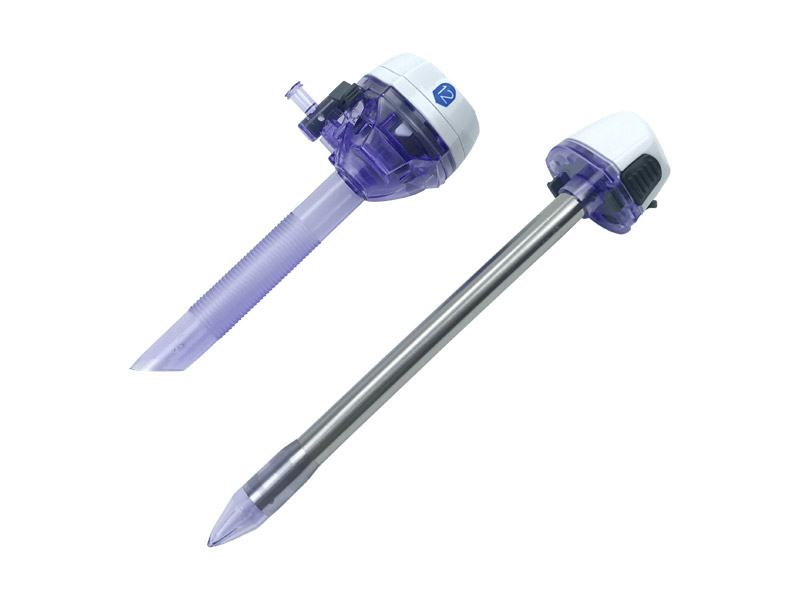
A disposable trocar typically refers to a complete set of components, whose core structure consists of an obturator (needle core) introduced through a cannula (sleeve). As a key instrument in laparoscopic surgery, it plays a vital role in minimally invasive procedures due to its efficient tissue penetration and tissue protection properties.
II. Core Structure and Technical Features
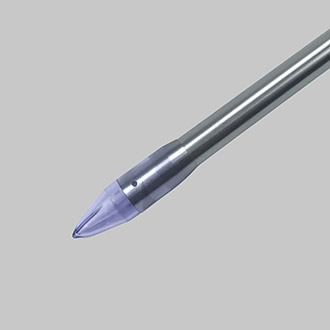
Tip Design:
Cutting Tip: Features a pyramidal or flat double-edged blade structure. Its sharp edges enable rapid penetration through the abdominal wall tissue.
Conical Blunt Tip: Utilizes a non-cutting penetration design. Reported to reduce the risk of hernia formation or bleeding, causing less tissue trauma.
Safety Mechanism: Most products incorporate a spring-loaded system. Upon penetrating the abdominal wall, the tip immediately retracts, minimizing the risk of visceral injury.
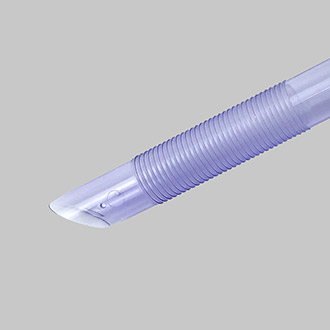
Cannula Material and Design:
Material: Made from plastic or metal. Plastic cannulas require optimized light transmission properties to reduce light reflection from the endoscope. Some products combine metal and plastic components to balance durability and handling.
Diameter Specifications: Cannula inner diameters (ID) range from 3mm to 30mm, with 5mm and 10mm being the most common clinically used sizes. Note the difference between outer diameter (OD) and ID for proper instrument compatibility.

Valve System:
Function: The top valve mechanism creates an internal gas seal, ensuring stable pneumoperitoneum pressure during instrument insertion and removal.
Types:
Flapper, transverse, or piston valves, supporting manual or automatic reset.
Trumpet valves offer excellent sealing but require two-handed operation, making them less common in complex laparoscopic procedures.
Flexible valves adapt to instruments of various diameters, reducing CO₂ leakage.
III. Key Clinical Operation Points
Tip Selection: Although sharp trocars may seem higher risk, they require less force for penetration, potentially reducing the risk of accidental full-thickness perforation compared to blunt designs.
Handling Technique: For correct handling, position the trocar head against the thenar eminence (base of the thumb). Place the middle finger on the insufflation port and the index finger pointing towards the tip to ensure operational stability.
Cannula Tip Shape: Among designs with straight or oblique tips, the oblique tip facilitates easier abdominal wall penetration by reducing resistance.
IV. Corporate Technical Endorsement
As a professional medical device manufacturer, Qianjing possesses an R&D team composed of experienced surgeons and medical device engineers. We focus on innovation in disposable trocars and related minimally invasive instruments. For product details or medical equipment procurement inquiries, please contact us directly for technical support.