


 info@qjmed.com



What Is a LigaSure Device and How It Works
Introduction
If you work in general surgery, minimally invasive procedures, or operating room efficiency, you have almost certainly heard the term LigaSure device referenced in daily case discussions. Many clinical teams still wonder exactly what a LigaSure device does, how it differs from traditional hemostasis tools, and why it has become a standard part of modern surgical workflows. This guide breaks down the core definition, working principles, practical benefits, and real-world use of a LigaSure device in plain, actionable language. Whether you are selecting new surgical instruments, updating your operating room setup, or simply looking to understand the technology behind vessel sealing, this article will help you make informed, confident decisions. As a trusted manufacturer focused on reliable surgical solutions, Qianjing designs high-performance systems built around the same core principles that make a LigaSure device so valuable for modern care teams.
Key Takeaways
A LigaSure device is an advanced vessel sealing and cutting instrument that combines controlled pressure and targeted bipolar energy to create secure, long-lasting tissue fusion.
Unlike basic electrosurgical tools, a LigaSure device monitors tissue response in real time, adjusting energy delivery to avoid overheating and reduce unintended thermal spread.
Most modern LigaSure device variants can grasp, seal, and cut tissue in a single smooth motion, shortening procedure time and lowering the need for repeated instrument exchanges.
Properly operated, a LigaSure device can reliably seal vessels of varying diameters, helping teams reduce intraoperative blood loss and maintain clearer surgical fields.
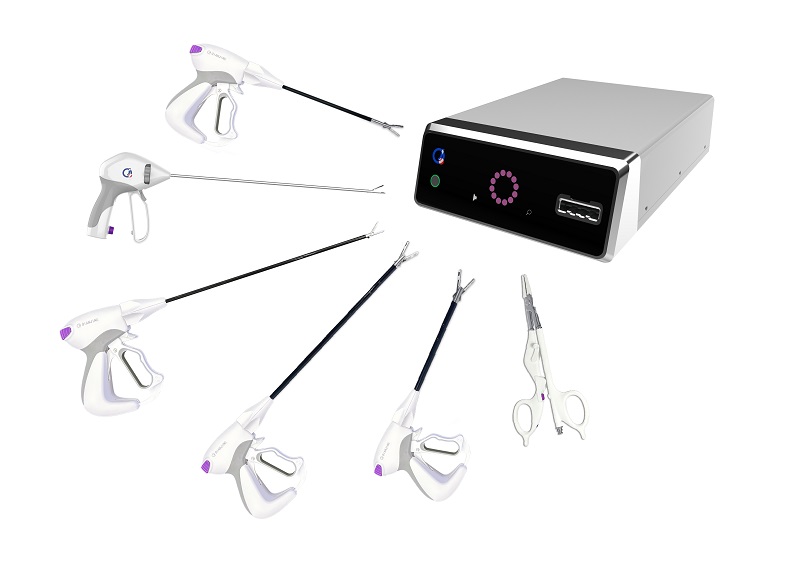
Qianjing's Vessel Sealing and Cutting System is engineered to deliver consistent LigaSure device-level performance, supporting safer, more efficient procedures across a wide range of clinical settings.
What Exactly Is a LigaSure Device?
At its simplest, a LigaSure device is a specialized surgical instrument designed for automated vessel sealing and controlled tissue division. In practical daily use, many clinical teams also refer to this category of tool as a vessel sealer divider, tissue fusion system, or bipolar sealing device. What unites all these names is the same core function: transforming fragile vessel walls into a strong, permanent seal that resists bleeding and eliminates the need for traditional ligatures in many cases.
A typical LigaSure device consists of three main parts: a precision jaw assembly, an ergonomic handheld body, and a connected energy generator. The jaws are engineered to distribute even pressure across opposing tissue planes, ensuring consistent contact without crushing delicate structures. This careful balance of pressure and energy is what separates a true LigaSure device from standard bipolar forceps, which often lack the real-time sensing and automated sealing feedback that defines this technology.
Today, a LigaSure device is used across open surgery, laparoscopic procedures, and many other specialties, from abdominal operations and thoracic cases to urologic and gynecological interventions. Its versatility is one of the biggest reasons this category of instrument has become such a common sight in modern operating rooms.
Core Working Mechanism of a LigaSure Device
The science behind how a LigaSure device works is straightforward once you break it down into clear, sequential steps. Unlike older hemostasis methods that rely on simple cauterization to burn tissue closed, a LigaSure device creates a true tissue fusion effect through a carefully controlled three-phase process.
First, the LigaSure device jaw closes gently around the target vessel or tissue bundle, applying uniform, high mechanical compression. This squeezes out excess interstitial fluid and brings the collagen and elastin fibers inside the vessel walls into tight, direct contact. This step is critical because it creates the stable tissue bed needed for strong, even sealing.
Second, the connected generator delivers precisely calibrated continuous bipolar energy through the jaws. A LigaSure device does not flood tissue with uncontrolled heat. Instead, built-in sensors constantly measure tissue impedance, temperature, and energy response in real time. The system dynamically adjusts power output to avoid overheating, charring, or damaging surrounding healthy tissue. As energy flows through the compressed tissue, the collagen and elastin fibers in the vessel walls gently denature, softening and rearranging into a homogeneous, pliable mass.
Third, once the system detects that the optimal seal quality has been achieved, it automatically stops energy delivery and enters a brief cool-down phase. During this short cooling window, the rearranged protein fibers re-crosslink into a solid, durable new tissue wall. The result is a transparent, flexible, leak-resistant seal that can withstand pressures far higher than normal physiological vessel pressure. For many modern LigaSure device models, an integrated cutting blade can then advance cleanly through the sealed zone, completing the entire grasp-seal-cut sequence in one continuous motion.
This controlled, sensor-guided workflow is why a LigaSure device consistently outperforms manual suturing, clip appliers, and basic electrosurgery in many routine procedures. It reduces guesswork for surgeons, shortens critical steps, and helps create predictable, reliable results case after case.
Key Practical Benefits of Using a LigaSure Device
The widespread adoption of a LigaSure device in operating rooms around the world is not driven by marketing alone. It comes from tangible, daily clinical benefits that directly improve procedural flow, surgeon confidence, and patient outcomes.
One of the biggest advantages of a LigaSure device is its ability to minimize thermal spread. Because the system carefully regulates energy delivery and stops automatically once sealing is complete, the amount of heat that spreads beyond the target tissue is kept very low. This makes a LigaSure device especially valuable when working near critical structures, where unintended thermal injury could lead to complications.
A second major benefit is procedural efficiency. A high-quality LigaSure device can perform grasp, seal, and cut functions all in one instrument. This means surgeons do not need to constantly swap between clamps, ligature carriers, scissors, and conventional electrosurgical tools. Fewer instrument exchanges translate to smoother workflow, shorter operative time, and less disruption to the surgical team's rhythm.
Third, a LigaSure device helps create a cleaner surgical field. By sealing vessels reliably before division, the tool reduces unexpected small bleeds that can obscure anatomy and force the team to pause for extra hemostasis steps. This clearer visibility is particularly helpful in tight anatomical spaces, where precision and unobstructed sightlines are extremely valuable.
Finally, a well-engineered LigaSure device reduces common procedural frustrations like eschar buildup, jaw sticking, and inconsistent seal quality. Modern non-stick jaw coatings allow the instrument to release tissue smoothly, reduce the need for repeated cleaning during long cases, and keep the procedure moving forward without unnecessary interruptions.
Typical Clinical Applications for a LigaSure Device
A LigaSure device is extremely versatile, which is why it is used across such a wide range of surgical specialties. In open general surgery, teams use a LigaSure device for procedures including gastric resection, thyroidectomy, hemorrhoidectomy, and splenectomy, where reliable sealing of medium and large vessels is a core part of safe technique.
In laparoscopic and minimally invasive surgery, a LigaSure device is even more valuable. Because working space inside the peritoneal cavity is limited, having an instrument that can seal and cut tissue through a small port without needing multiple accessory tools dramatically simplifies complex minimally invasive procedures. Many surgeons rely on a LigaSure device for dissection around critical structures, blunt tissue separation, and rapid division of vascular pedicles.
Beyond these common uses, a LigaSure device is also regularly deployed in thoracic surgery, urology, gynecology, and even selected pediatric procedures. Across all these different use cases, the core value remains the same: delivering predictable vessel sealing performance that surgeons can trust in routine and complex cases alike.
Performance Reference: Typical LigaSure Device Specifications
To help clinical teams quickly compare expected performance, below is a practical reference table outlining the typical performance specifications that define a high-quality LigaSure device system.
| Performance Parameter | Typical LigaSure Device Standard | Clinical Impact |
|---|---|---|
| Maximum Sealable Vessel Diameter | Up to 7mm | Covers most common arterial and venous sizes encountered in general surgery |
| Average Seal Cycle Duration | 2–5 seconds | Fast enough to maintain smooth procedural rhythm without unnecessary delays |
| Maximum Allowable Thermal Spread | Under 2mm | Minimizes risk of unintended injury to adjacent critical structures |
| Seal Burst Pressure Resistance | Exceeds normal human physiological pressure | Reduces chance of postoperative seal failure or delayed bleeding |
| Compatible Generator Type | Vessel-sealing enabled bipolar generator | Ensures full real-time sensing and automatic energy regulation functions |
This reference table helps teams set clear expectations when evaluating any LigaSure device system, including the high-performance Vessel Sealing and Cutting System developed by Qianjing. Every design choice in Qianjing's product is aligned with these clinical performance standards, to deliver the consistent, reliable LigaSure device-level performance that modern surgical teams demand.
How to Choose the Right LigaSure Device System for Your Facility
Selecting the right LigaSure device for your operating room does not have to be complicated. The first factor to evaluate is instrument compatibility. Make sure the system works seamlessly with your existing surgical generators, so you do not need to replace your entire energy platform unnecessarily.
Second, consider the instrument form factors your team uses most often. If your facility performs a high volume of laparoscopic cases, you will want a slim, well-balanced LigaSure device designed for port access and easy maneuvering inside tight spaces. If your team focuses more on large open procedures, a larger, robust-jaw LigaSure device optimized for fast transection of broad tissue bundles will likely be the better choice.
Third, pay close attention to jaw design and surface coating. A high-quality non-stick jaw surface will reduce eschar buildup, minimize sticking, and let you complete more consecutive sealing cycles without pausing to clean the instrument. This small design detail can make a huge difference in daily procedural efficiency.
Finally, choose a supplier that provides consistent product quality, reliable after-sales support, and clear clinical training resources. Qianjing specializes in delivering Vessel Sealing and Cutting Systems built to meet rigorous LigaSure device performance standards, with dedicated support to help your clinical team integrate the technology smoothly into daily practice.
FAQ
Final Thoughts
A LigaSure device is far more than just another surgical instrument. It is a thoughtfully designed tissue fusion platform that combines precise pressure control, intelligent energy management, and real-time tissue feedback to make vessel sealing safer, faster, and far more predictable than traditional methods. By understanding exactly what a LigaSure device is and how it works, your clinical team can make smarter purchasing decisions, improve procedural workflow, and deliver more consistent outcomes for every patient. Qianjing remains committed to building high-quality vessel sealing systems that bring this proven, reliable technology within easy reach for healthcare facilities of all sizes.