
 info@qjmed.com



Top Circular Surgical Staplers for Surgical Procedures in 2026
The landscape of gastrointestinal and anorectal surgery has been transformed by the evolution of circular surgical staplers. In 2026, these precision instruments have become indispensable tools for surgeons performing anastomosis procedures across the digestive tract. From esophageal reconstructions to colorectal resections and hemorrhoid treatments, the circular surgical stapler has redefined what is possible in modern surgery.
What makes a circular surgical stapler truly exceptional in 2026? The answer lies in a combination of factors: staple formation consistency, tissue compression precision, leak-proof sealing, and ergonomic design that reduces operative fatigue. As surgical techniques continue to advance, the demand for reliable, single-use circular surgical staplers has grown exponentially—with the global disposable circular stapler market projected to reach US$3.0 billion in 2026.
This comprehensive guide explores the top circular surgical staplers available in 2026, examining their features, applications, and clinical benefits. Whether you are a surgeon selecting instruments for an upcoming procedure or a procurement specialist evaluating options for your facility, this article provides the insights you need to make informed decisions about circular surgical staplers.
Key Takeaways
Circular surgical staplers are essential for end-to-end, end-to-side, and side-to-side anastomosis in gastrointestinal procedures
Diameter selection ranges from 21mm to 33mm to accommodate varying anatomical requirements
Titanium staples (TA1/TA2 grade) offer superior biocompatibility and are MRI-compatible
Single-use design eliminates cross-contamination risks associated with reusable instruments
Specialized variants include PPH and TST staplers for anorectal procedures
Powered stapling technology in 2026 offers enhanced tissue compression and reduced leak rates
Proper technique and size selection significantly impact anastomotic outcomes
Understanding the Circular Surgical Stapler: Design and Function
What Is a Circular Surgical Stapler?
A circular surgical stapler is a medical device designed as an alternative to traditional manual suturing. The instrument consists of small titanium staples arranged at regular intervals in concentric circles on a specially designed platform. When fired, the two legs of each titanium staple close to connect tissue segments, while an integrated circular blade cuts the tissue between the staple rows—completing the anastomosis in a single, precise action.
The circular surgical stapler includes several key components: a staple holder sleeve, a slide bar assembly, an anvil, and a firing mechanism. The instrument's design ensures accurate positioning between the slide bar and staple holder, enabling correct staple formation every time.
Types of Circular Staplers in 2026
Circular surgical staplers are categorized based on their intended application:
1. Tubular (Digestive Tract) Staplers
These are used for gastrointestinal anastomosis in esophageal, gastric, and colorectal procedures. Features include:
One-time operation to prevent cross-infection
Increased bending弧度 for easier instrument insertion
Integrated circular knife for reliability
Unique stitch design facilitating suture and resection
2. Circular (Anorectal) Staplers
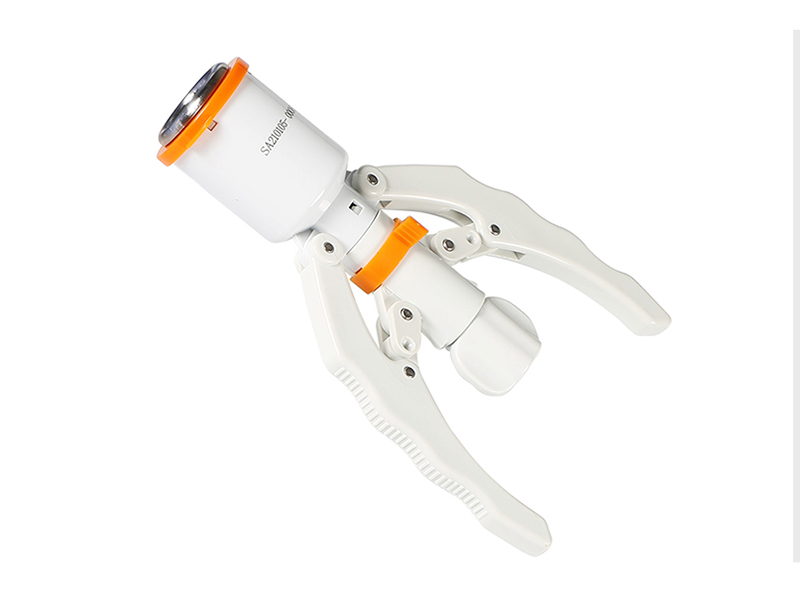
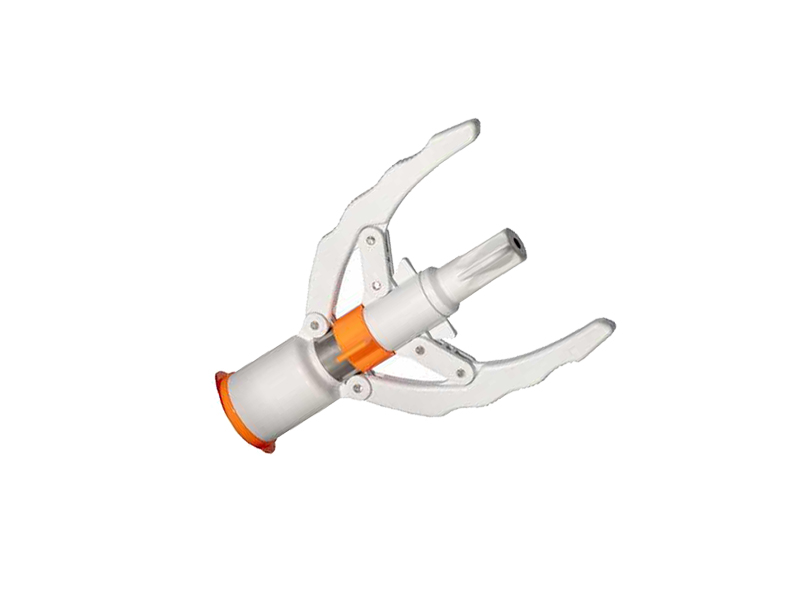
This category includes PPH (Procedure for Prolapse and Hemorrhoids) and TST (Tissue-Selecting Therapy) staplers. The key difference is that TST is a selective stapler developed from PPH technology, using a specially designed colonoscope to form different open-loop windows that lock onto hemorrhoids based on their size.
Key Features to Evaluate in a Circular Surgical Stapler
Staple Configuration and Height
The circular surgical stapler market in 2026 offers various staple heights to accommodate different tissue thicknesses. Standard staple heights range from 3.0mm to 4.8mm, with options for thicker tissues in specific applications. Premium staplers feature optimized staple density and arrangement to ensure superior hemostasis and minimize post-operative complications.
Diameter Options
Selecting the correct diameter is critical for successful anastomosis. Quality manufacturers offer circular surgical staplers in diameters ranging from 21mm to 33mm. Common sizes include 21mm, 23.5mm, 25.5mm, 28.5mm, 31.5mm, and 33.5mm.
Clinical evidence from 2026 suggests that smaller diameter circular surgical staplers (23mm) may be associated with significantly lower anastomotic leakage rates compared to larger sizes in certain cervical anastomosis procedures (4% vs. 15%).
Material Quality
The best circular surgical staplers use premium medical-grade materials:
Staples: Titanium (TA1/TA2 grade) for excellent biocompatibility and MRI compatibility
Housing: Medical-grade ABS polymer
Blade and anvil: 12Cr18Ni9 stainless steel
Powered vs. Manual Technology
2026 has seen significant advances in powered circular surgical staplers. Studies indicate that powered circular staplers may be associated with a significantly lower risk of leakage and anastomotic bleeding compared to two-row manual circular staplers. Powered technology provides:
61% fewer leaks at the staple line without compromising perfusion
37% less distal tip deviation for greater stability
21% more comprehensive compression
Single-Use Design
The disposable circular surgical stapler offers distinct advantages over reusable alternatives:
Eliminates cross-contamination risks
Ensures consistent performance with every use
Reduces sterilization costs and turnaround time
Provides reliable, factory-tested quality
Clinical Applications of Circular Surgical Staplers
Gastrointestinal Anastomosis
The circular surgical stapler is the gold standard for creating anastomoses in the digestive tract. Applications include:
Esophageal Surgery
Esophagojejunostomy after gastrectomy
Cervical anastomosis after esophagectomy
Gastric Surgery
Gastrojejunostomy
Esophagogastric anastomosis
Colorectal Surgery
End-to-end anastomosis after colectomy
End-to-side ileocolonic anastomosis
Low anterior resection anastomosis
Clinical Data: The use of three-row circular surgical staplers is associated with a lower postoperative anastomotic leakage rate (3.7% vs. 11.8%) and shorter hospital stays compared to two-row staplers.
Anorectal Procedures
Specialized circular surgical staplers are used for:
PPH (Procedure for Prolapse and Hemorrhoids)
This technique treats severe mixed hemorrhoids by excising a circular ring of rectal mucosa above the hemorrhoid (2-4cm above the dentate line). The procedure is simple, quick, with good surgical outcomes, mild pain, and rapid recovery.
TST (Tissue-Selecting Therapy)
This selective stapler technique protects normal anal function by removing only the targeted hemorrhoidal tissue based on size.
Urological Applications
The circular surgical stapler has revolutionized circumcision procedures. Modern disposable circumcision staplers combine cutting and wound closure in a single step, reducing operative time to 3-5 minutes and significantly minimizing blood loss. Comparative studies confirm that the stapler method offers shorter operative time and serves as a safe, effective alternative to conventional techniques.
How to Select the Right Circular Surgical Stapler
Step 1: Identify the Procedure Type
Different procedures require different circular surgical stapler configurations:
Digestive tract reconstruction: Tubular staplers with appropriate diameter
Hemorrhoid treatment: PPH or TST staplers
Circumcision: Specialized circumcision staplers
Step 2: Choose the Correct Diameter
Diameter selection should be based on:
Anatomical site and organ size
Patient anatomy
Surgeon preference and experience
Diameter reference guide:
| Procedure Type | Recommended Diameter |
|---|---|
| Esophageal anastomosis | 21mm – 25mm |
| Gastric anastomosis | 25mm – 28mm |
| Colorectal anastomosis | 28mm – 33mm |
| Hemorrhoid procedures | 32mm – 36mm |
| Circumcision | 12mm – 30mm |
Step 3: Evaluate Staple Height
Select staple height based on tissue thickness:
Thin tissue (e.g., esophagus): 3.0mm – 3.5mm
Medium tissue (e.g., stomach): 3.8mm – 4.0mm
Thick tissue (e.g., colon): 4.0mm – 4.8mm
Step 4: Consider Powered vs. Manual
Powered circular surgical staplers offer advantages for complex procedures where consistent tissue compression is critical. Manual staplers remain effective for routine procedures and offer simplicity and cost-effectiveness.
Step 5: Verify Regulatory Compliance
Ensure the circular surgical stapler meets international standards:
CE certification for European markets
ISO 13485 for quality management
FDA clearance or equivalent regional approval
Top Circular Surgical Staplers in 2026: Product Comparison
The following table compares leading circular surgical stapler options available in 2026, based on specifications and clinical applications:
| Product Series | Diameter Range | Staple Height | Primary Application | Key Feature |
|---|---|---|---|---|
| QYW Series (Tubular) | 21mm – 33.5mm | 3.0mm – 4.8mm | Gastrointestinal anastomosis | Curved/straight options, integrated circular knife |
| QYG Series (Tubular – Straight) | 31.5mm | 3.0mm – 4.8mm | Digestive tract reconstruction | Straight design for specific approaches |
| QYZ Series (PPH) | 32mm – 36mm | 3.8mm | Hemorrhoid prolapse treatment | Smaller diameter reduces tissue damage |
| QWZD Series (TST) | 32mm – 36mm | 3.8mm | Selective hemorrhoid treatment | Open-loop minimally invasive design |
| QBP Series (Circumcision) | 12mm – 30mm | 3.0mm | Circumcision | One-piece circular cutting knife |
*Note: Specifications may vary by model. Always consult product manuals for current information.
Clinical Best Practices for Circular Stapler Use
Pre-Operative Preparation
Before using a circular surgical stapler, surgeons should:
Verify the scale is aligned with the 0 mark
Confirm correct assembly and presence of all components
Check that the plastic washer is properly placed
Intra-Operative Technique
Step 1: Prepare the Tissue
The intestinal section for anastomosis should be fully freed and stripped at least 2cm
Purse-string suture distance should not exceed 0.5cm, with a 2-3mm margin
Step 2: Insert and Position
Place the anvil in the proximal intestinal lumen
Insert the circular surgical stapler through the distal end
Connect the anvil to the central rod
Step 3: Adjust and Fire
Rotate to approximate the intestinal walls
Adjust spacing based on tissue thickness (typically 1.5-2.5cm or until tight)
Open the safety mechanism
Squeeze the handle firmly until hearing a "click"
Step 4: Verify and Remove
Check the anastomosis for completeness
Gently withdraw the circular surgical stapler
Verify that the cut tissue forms a complete ring
Post-Operative Considerations
Monitor for signs of anastomotic leakage
Assess wound healing and staple line integrity
Follow-up imaging as clinically indicated
Frequently Asked Questions
Faster suturing and easier operation, shortening operation time
Precise and consistent suture placement
Titanium staples have better histocompatibility than silk thread
Lower incidence of anastomotic leakage compared to manual suturing
Enables previously difficult procedures, such as ultra-low rectal cancer resection
The tissue thickness indicator showing appropriate range
Smooth rotation of the approximation mechanism
Even tissue compression around the anvil
Complete ring of excised tissue upon withdrawal
Too short: May crush tissue and compromise blood supply
Too long: May not provide adequate closure, increasing leak risk
Optimal height: Ensures secure tissue approximation without compromising perfusion
Conclusion
The circular surgical stapler has evolved into an indispensable tool in modern surgery. As we navigate 2026, the options available to surgeons and healthcare facilities are more sophisticated than ever—offering improved staple formation, enhanced tissue compression, and better clinical outcomes.
When selecting a circular surgical stapler, consider the specific procedure type, anatomical requirements, and the technology that best suits your practice needs. Whether you require a tubular stapler for gastrointestinal anastomosis, a PPH stapler for hemorrhoid treatment, or a specialized circumcision stapler, the key is choosing an instrument that delivers consistent, reliable performance.
Manufacturers like Qianjing Medical continue to advance circular surgical stapler technology, offering comprehensive product lines that span the full spectrum of surgical applications. With over 20 years of experience in surgical instrument development, CE and ISO 13485 certification, and a global presence serving more than 2,000 medical institutions, Qianjing represents the quality and reliability that surgical teams expect from their circular surgical stapler partners.
The evidence is clear: the right circular surgical stapler, properly selected and correctly used, significantly improves surgical outcomes, reduces complication rates, and enhances patient recovery. As surgical techniques continue to advance, the circular surgical stapler will remain at the forefront of gastrointestinal, anorectal, and urological surgery—a testament to the power of precision engineering in the service of patient care.