
 info@qjmed.com



How to Choose the Perfect Continuous Passive Motion Machine

For healthcare providers, surgeons, and procurement managers, investing in rehabilitation equipment is a significant decision. A Continuous Passive Motion (CPM) Machine is a cornerstone of post-operative and injury recovery, proven to enhance mobility, reduce pain, and accelerate healing. However, with various models and specifications on the market, selecting the right one can be daunting. This comprehensive guide is designed to demystify the process, providing you with the essential knowledge to make an informed, confident purchase that delivers optimal patient outcomes and value for your facility.
Key Takeaways:
The core choice lies between a Lower Limb CPM Machine (like a dedicated cpm knee machine) and a cpm upper limb device, dictated by your primary patient population.
Critical technical specifications to evaluate include programmable Range of Motion (ROM), adjustable speed/force, and built-in safety protocols.
Operational factors like ease of setup, cleaning, portability, and manufacturer support are as crucial as the device's clinical functionality.
Always verify international certifications (CE, FDA) and comprehensive warranty & service terms to ensure long-term reliability and compliance.
Understanding the CPM Machine: A Foundation for Recovery
A CPM Machine is a motorized therapeutic device that gently and continuously moves a joint through a controlled, preset range of motion without requiring patient effort. This passive movement is crucial in the early stages of recovery from surgeries like total joint replacements, ligament repairs, or fractures. It helps prevent joint stiffness, reduces swelling and pain by promoting circulation, and minimizes the formation of scar tissue (adhesions). Choosing the correct device is the first step in facilitating a smoother, faster rehabilitation journey for your patients.
8 Essential Factors for Choosing Your CPM Machine
1. Identify the Primary Application: Lower Limb vs. Upper Limb
The most fundamental decision is the joint application. Your patient demographics will guide this choice.
Lower Limb CPM Machine: This category is most commonly used for the knee and hip. A dedicated cpm knee machine is the workhorse for post-operative orthopedic care following Total Knee Arthroplasty (TKA), ACL reconstruction, or knee fractures. Ensure the device is compatible with your standard post-op protocols.
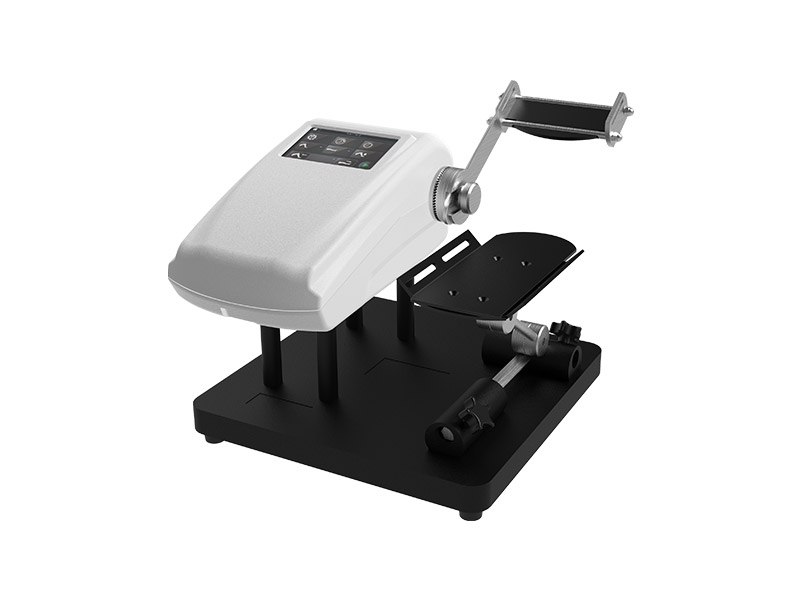
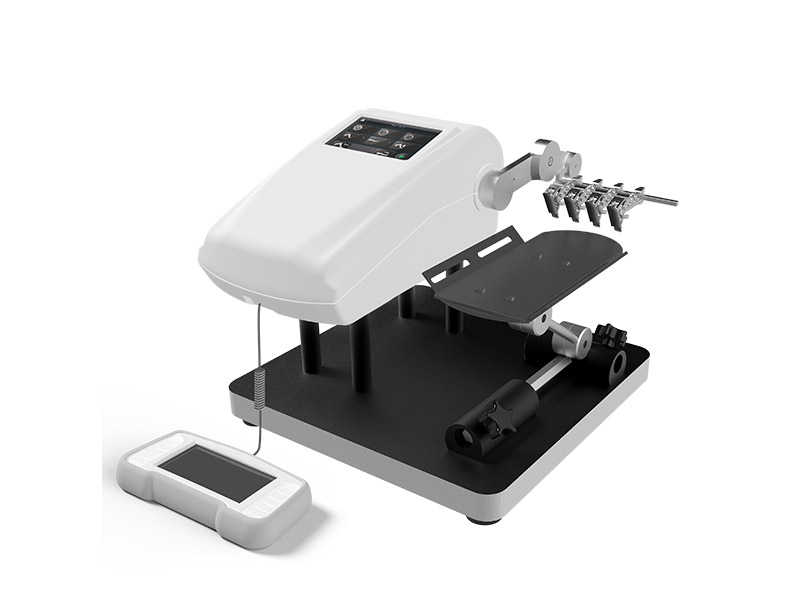
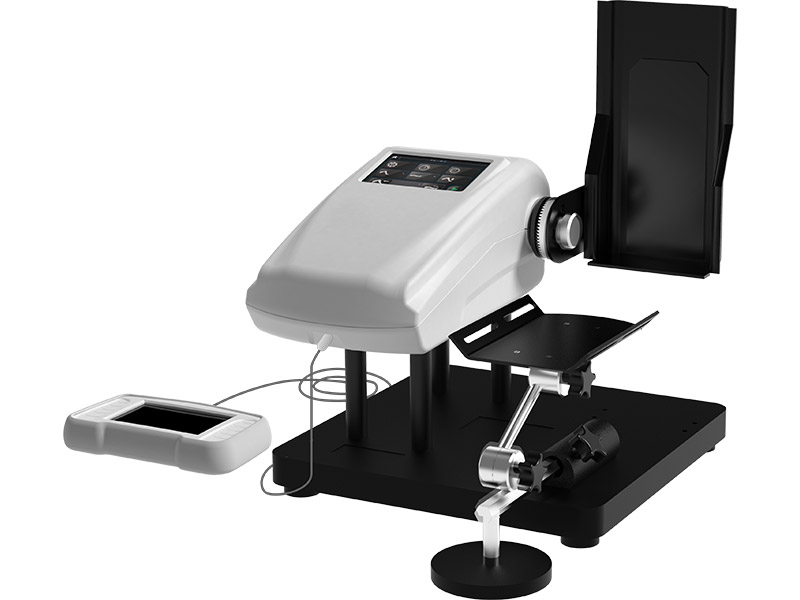
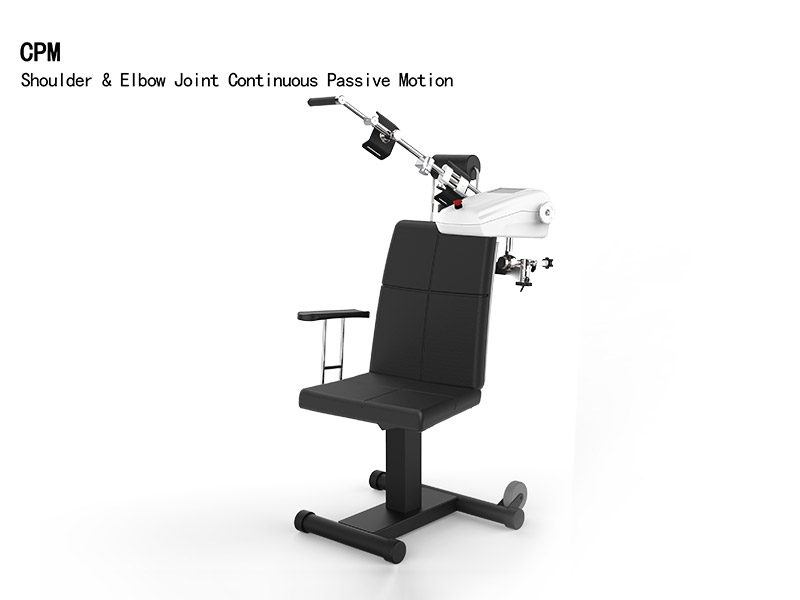
cpm upper limb: These devices are designed for the shoulder, elbow, wrist, and hand. They are essential for recovery after rotator cuff repairs, shoulder arthroplasty, or elbow fractures. Some advanced systems offer modular attachments to service multiple upper extremity joints with one base unit, providing flexibility for clinics with diverse needs.
2. Assess Range of Motion (ROM) and Programmability
A machine's usefulness is defined by its movement capabilities.
ROM Limits: The device must offer a sufficient anatomical range. For a cpm knee machine, this typically means flexion from 0° to at least 120°. For a shoulder cpm upper limb device, look for flexion/extension and abduction/adduction ranges that match clinical requirements.
Programmability: Modern CPM Machines allow therapists to set and lock specific start/stop angles and progressively increase the ROM as the patient heals. This feature is vital for adhering to structured rehabilitation protocols and ensuring patient safety.
3. Evaluate Speed and Force Control
Precise control over movement parameters enhances therapy efficacy and comfort.
Speed Adjustment: Variable speed settings allow clinicians to tailor the therapy from very slow, gentle movements for acute pain to faster cycles as tolerance improves.
Force/Torque Control: This is a critical safety and comfort feature. The machine should have sensors to stop or alert if movement meets abnormal resistance, protecting healing tissues from strain.
4. Prioritize Safety Features and Patient Comfort
Safety is non-negotiable in medical equipment.
Emergency Stop: An easily accessible physical stop button is mandatory.
Auto-Shutoff: The device should automatically stop at the end of a timed treatment session.
Comfort & Hygiene: Look for ergonomic, padded cuffs and supports that are easy to clean and disinfect between patients. Breathable materials enhance patient compliance for longer sessions.
5. Consider Ease of Use and Setup
A complex device can become a burden for both staff and patients.
Intuitive Interface: Clear displays and simple controls reduce training time and operational errors.
Quick Setup: Mechanisms for attaching and adjusting the limb should be straightforward, allowing efficient patient turnover in a busy clinic.
Clear Instructions: Comprehensive, multi-language manuals and quick-start guides are essential.
6. Portability and Storage
Consider where the device will be used—hospital ward, outpatient clinic, or patient's home.
Weight and Design: Is it lightweight with carrying handles? Can it be easily moved between rooms?
Home-Use Compatibility: If intended for loaner programs, durability and simple operation for patients are key.
Storage Footprint: A compact, foldable design is valuable for spaces with limited storage.
7. Budget and Cost-Effectiveness (Total Cost of Ownership)
Look beyond the initial purchase price.
Durability: A robustly built CPM Machine from a reputable manufacturer may have a higher upfront cost but lower long-term repair and replacement expenses.
Consumables: Consider the cost and availability of replacement pads, straps, or cuffs.
Versatility: A modular system that serves multiple joints can be more cost-effective than purchasing several single-joint devices.
8. Certifications, Warranty, and Manufacturer Support
This is where manufacturer credibility becomes paramount.
International Certifications: Ensure the device carries relevant marks like CE (for Europe) and FDA clearance (for the USA), which validate safety and performance standards.
Comprehensive Warranty: A strong warranty (e.g., 2+ years on the motor and controller) reflects confidence in product quality.
Global Support Network: For institutions operating in multiple countries, choose a manufacturer with a proven global presence and reliable local technical support, spare parts availability, and training resources.
Comparative Overview: Key Decision Matrix
| Feature | Importance | What to Look For | Application Note |
|---|---|---|---|
| Joint Application | Critical | Lower Limb CPM Machine (Knee/Hip) vs. cpm upper limb (Shoulder/Elbow) | Defines your core use case. |
| Range of Motion (ROM) | Critical | Sufficient degrees for joint; Programmable start/stop points. | Essential for protocol adherence. |
| Speed & Force Control | High | Adjustable speed settings; Built-in force/torque safety limits. | Enhances safety and personalization. |
| Safety & Comfort | High | Emergency stop, auto-shutoff, padded hygienic cuffs. | Mandatory for patient safety and compliance. |
| Ease of Use | Medium-High | Intuitive interface, quick patient setup. | Reduces staff workload and errors. |
| Portability | Medium | Lightweight, compact, possibly foldable design. | Important for multi-room use or home care. |
| Certifications | Mandatory | CE Mark, FDA Clearance, ISO 13485. | Legal requirement for market operation. |
| Warranty & Support | High | Minimum 2-year comprehensive warranty; Global service network. | Protects your investment long-term. |
Frequently Asked Questions (FAQ)
Making the Informed Choice
Selecting the right CPM Machine is a strategic investment in your patients' recovery and your clinic's operational efficiency. By systematically evaluating the factors outlined above—from clinical application and technical specs to support and compliance—you can choose a device that delivers lasting value.
For over two decades, Qianjing Medical has been at the forefront of rehabilitation technology innovation. Our deep expertise in surgical and rehabilitation devices is built on a foundation of rigorous research, with a portfolio backed by more than 160 patents. We understand the critical needs of healthcare providers, which is why our CPM Machines are engineered to meet the highest standards of safety, efficacy, and reliability, holding authoritative international certifications including CE and FDA.
Trusted by over 2,000 medical institutions in China and serving more than 50 countries worldwide, Qianjing is committed to being your global partner in recovery. We combine robust product performance with comprehensive support, ensuring the CPM Machine you choose today will be a cornerstone of successful patient outcomes for years to come.